
 ARIES
ARIES  CURT
CURT  LUVERNE
  UWS
UWS 




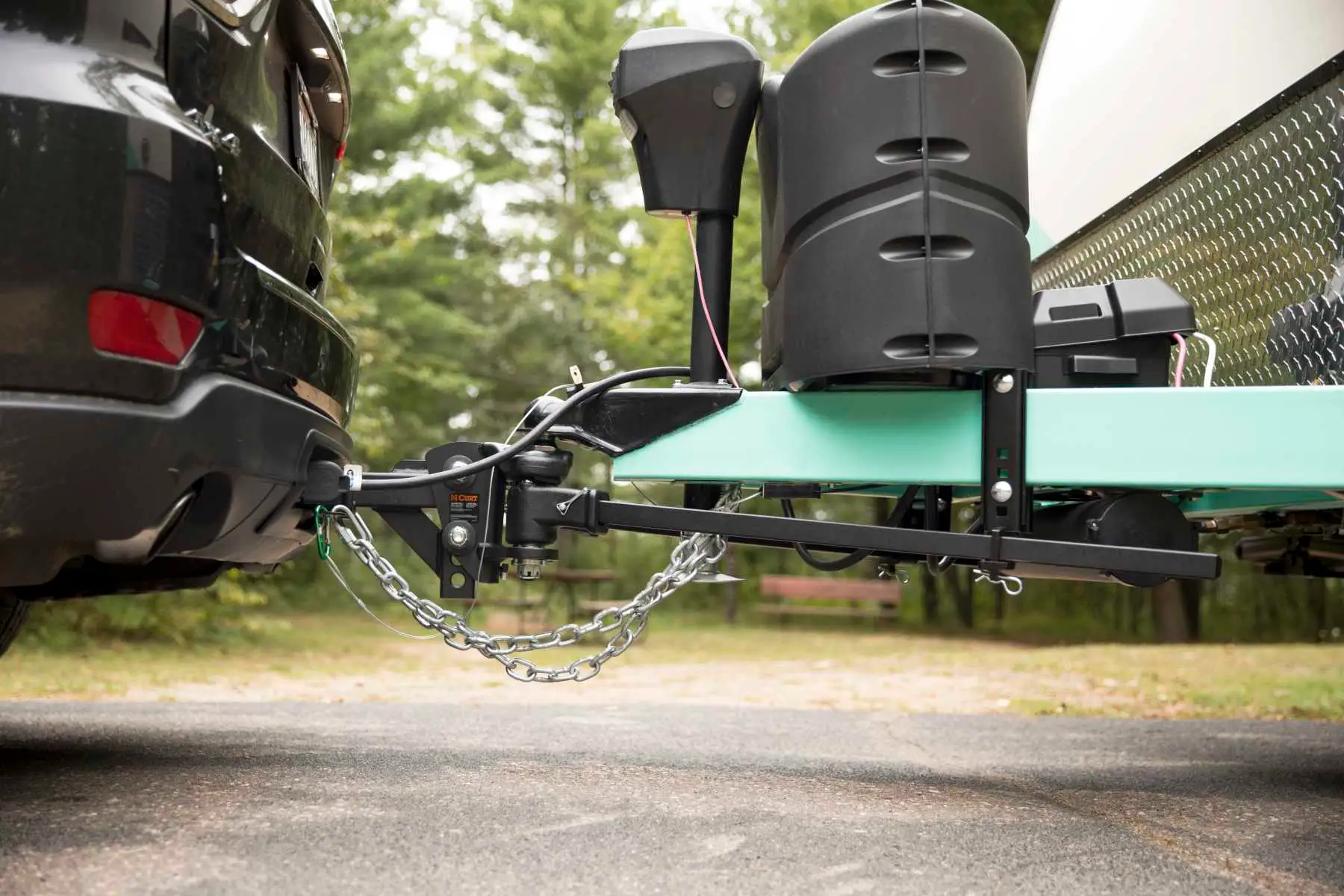
How to Lubricate Your CURT TruTrack™ 4P Weight Distribution Hitch
Routine maintenance is one of the simplest ways to keep your weight distribution hitch performing its best. While the CURT TruTrack™ 4P weight distribution hitch is engineered for years of dependable towing, taking a few minutes to lubricate its moving components can help ensure smooth operation, reduce wear, and maintain the integrated sway control system.
Fortunately, lubrication is quick and requires only a few common tools. The TruTrack 4P is designed with grease zerks that make servicing the internal bearings simple, while the exposed cam ball bearings can be lubricated in just a matter of minutes.
Whether you're preparing for camping season, towing every weekend, or performing annual trailer maintenance, here's everything you need to know about properly lubricating your CURT TruTrack 4P weight distribution hitch.
Why Lubricating Your Weight Distribution Hitch Is Important
Every mile you tow places significant forces on your hitch. As your tow vehicle and trailer travel over bumps, corners, uneven pavement, and changing road conditions, the moving components inside the hitch head are constantly articulating under load.
Without proper lubrication, these parts experience increased friction. Over time, that friction can lead to premature wear, increased operating noise, and reduced performance. Dirt and moisture can also accelerate wear if moving components are left dry for extended periods.
Regular lubrication helps your hitch continue operating the way it was engineered to by:
- Reducing friction between moving parts
- Helping prevent premature wear on bearings and pivot points
- Keeping spring bars moving smoothly through their range of motion
- Reducing squeaks and metal-on-metal noise while towing
- Protecting components from moisture and corrosion
- Extending the overall service life of the hitch
Think of lubrication as inexpensive preventative maintenance. Spending just a few minutes with a grease gun can help protect your investment and keep your towing experience quieter and more enjoyable.
Tools & Supplies You'll Need
One of the nice things about servicing the TruTrack 4P is that you likely already have everything you need in your garage.
Gather the following before you begin:
- High-quality multi-purpose chassis or wheel bearing grease
- Standard grease gun
- Small disposable brush or acid brush
- Shop towels or clean rags
- Disposable gloves (optional)
If your hitch has been exposed to dirt, road salt, or mud, it's also a good idea to wipe down the lubrication points before applying fresh grease. Cleaning the fittings first helps keep contaminants from being pushed into the bearings.
Step 1: Locate the Grease Zerks
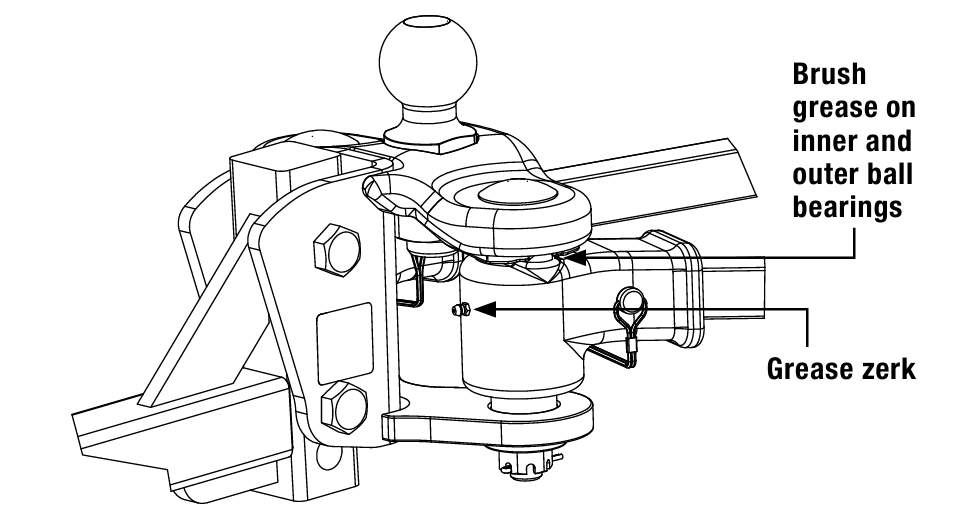
The first lubrication points you'll service are the grease zerks located on the back of the arm sockets.
These fittings provide a convenient way to lubricate the internal cam bearings without having to disassemble the hitch. Simply attaching a grease gun allows fresh grease to work its way into the moving components where it's needed most.
Before attaching the grease gun, wipe each grease zerk clean with a shop towel. Even a small amount of dirt or sand around the fitting can be forced into the bearing during greasing, so taking a few seconds to clean the area first is well worth the effort.
Once the fittings are clean, they're ready to accept fresh grease.
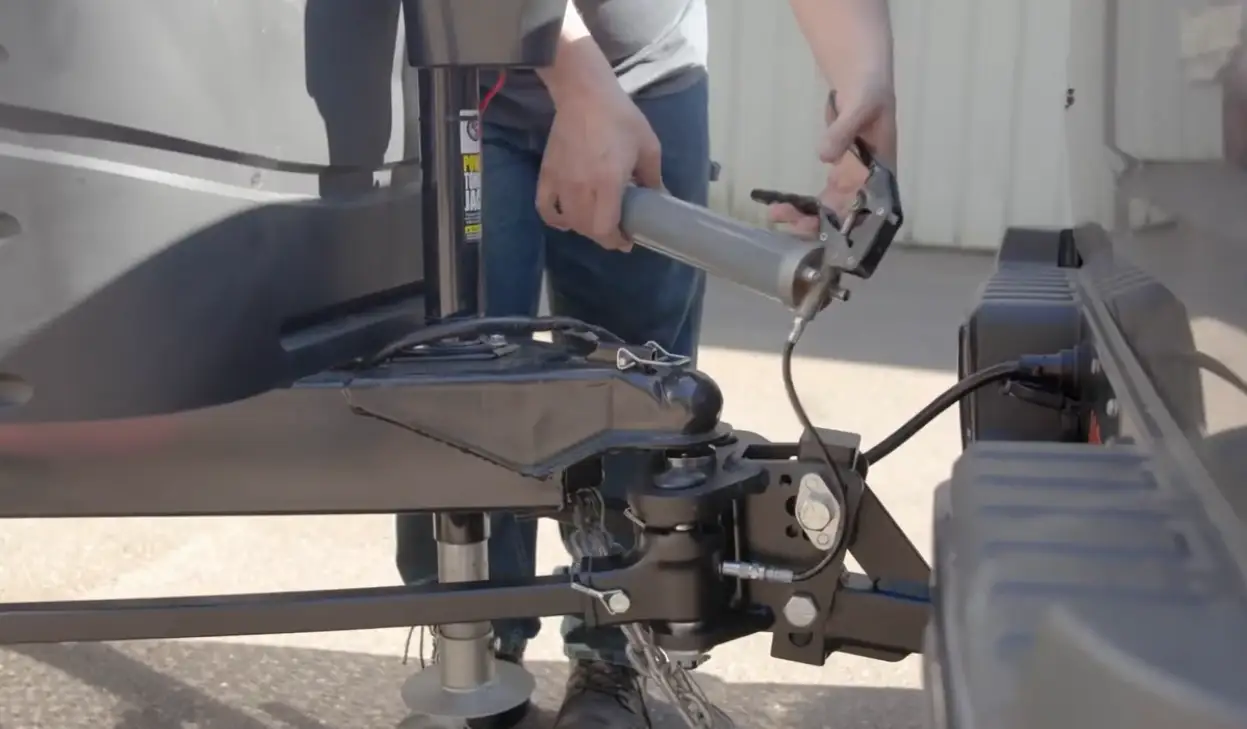
Step 2: Grease the Internal Cam Bearings
Attach the grease gun securely to one of the grease zerks and slowly pump fresh grease into the fitting.
As new grease enters the assembly, it pushes older grease through the internal cam bearing. Continue pumping until you begin to see fresh grease emerge around the bearing. This lets you know the internal components have been fully lubricated.
Repeat the process on the opposite side of the hitch.
There's no need to continuously pump grease into the fitting once fresh grease appears. Adding excessive grease won't improve performance and simply creates more cleanup afterward.
After both sides have been serviced, wipe away any excess grease around the fittings and bearings using a clean shop towel.
Step 3: Lubricate the Cam Ball Bearings
Next, turn your attention to the exposed cam ball bearings located on each side of the hitch head.
These bearings work together with the spring bars to create the TruTrack 4P's integrated four-point sway control system. As the trailer naturally moves during turns and over uneven terrain, these components continuously articulate against one another.
Using a brush or spay lubricant, apply a generous but even coating of grease directly to each ball bearing and the cam surfaces where the spring bars ride.
Unlike the internal bearings, these exposed components are directly subjected to weather, road spray, dust, and debris, making regular lubrication especially important. Keeping these contact surfaces properly greased ensures quiet operation and helps maintain smooth movement while reducing wear over thousands of miles of towing.
Step 4: Perform a Quick Inspection
Since you've already got the hitch cleaned up and lubricated, this is an excellent time to give everything a quick visual inspection.
Look over the hitch head, spring bar sockets, hardware, and lubrication points for any signs of damage or abnormal wear.
Pay particular attention to:
- Loose nuts or bolts
- Excessive rust or corrosion
- Damaged grease fittings
- Worn cam bearings
- Dirt buildup around moving parts
- Cracks or unusual wear on the hitch head
Catching a loose bolt or worn component early can help prevent larger issues down the road and gives you added confidence before your next trip.
How Often Should You Lubricate Your TruTrack 4P WD Hitch?
The answer depends largely on how often you tow.
If you tow frequently throughout the season, it's a good idea to inspect the lubrication points regularly and reapply grease prior to each use to ensure quiet and trouble-free operation.
For most trailer owners, servicing the hitch before the beginning of each towing season and periodically throughout the year provides excellent protection.
You should also inspect and lubricate the hitch if:
- Your hitch begins squeaking or making unusual noises
- You've towed extensively in rain or muddy conditions
- The hitch has been pressure washed
- The trailer has been stored for an extended period
- You're preparing for a long road trip
Routine inspections only take a few minutes and can help ensure your hitch continues to operate as smoothly as the day you bought it.
Common Lubrication Mistakes to Avoid
Proper lubrication is straightforward, but there are a few common mistakes worth avoiding.
First, don't skip cleaning the grease fittings before connecting your grease gun. Dirt forced into the bearing can cause unnecessary wear over time.
Second, avoid applying grease only to the exposed components while neglecting the grease zerks. The internal bearings rely on fresh grease just as much as the visible moving parts.
Finally, don't ignore excess grease after servicing the hitch. Wiping away extra grease helps prevent dirt, sand, and road grime from accumulating around the moving components.
A clean, properly lubricated hitch is easier to inspect and generally stays in better condition over time.
Keep Your TruTrack Ready for the Road
Your CURT TruTrack™ 4P weight distribution hitch is built to provide years of dependable towing performance, and routine lubrication plays an important role in keeping it that way.
By periodically greasing the internal cam bearings through the integrated grease zerks and applying fresh grease to the exposed cam ball bearings, you'll help reduce wear, maintain smooth articulation, and keep your integrated sway control system operating at its best.
The entire process takes only a few minutes, requires minimal tools, and can help extend the life of your hitch while making every towing trip smoother and quieter.
FAQ About Lubricating Weight Distribution Hitches
1. How often should I lubricate my TruTrack™ 4P Weight Distribution Hitch?
Lubrication frequency depends on how often you tow and the conditions you encounter. As a general guideline, inspect and lubricate your hitch before the start of each towing season and periodically throughout the year. You should also lubricate the hitch after towing in heavy rain, mud, or other harsh conditions, or anytime you notice increased noise during operation.
2. What type of grease should I use for lubricating a weight distribution hitch?
CURT recommends using a high-quality multi-purpose wheel bearing grease. These greases are designed to withstand the heavy loads and repeated articulation experienced by trailer hitches. Always use fresh, clean grease and avoid mixing different grease types whenever possible.
3. Why is my weight distribution hitch squeaking?
Squeaking is often a sign that the moving components need lubrication. Check the internal cam bearings, exposed cam ball bearings, and cam surfaces to ensure they are properly greased. If the hitch continues making noise after lubrication, inspect it for worn components, loose hardware, or other signs of damage.
4. Can I lubricate a weight distributino hitch without removing it from my tow vehicle?
In most cases, yes. The grease zerks and exposed cam ball bearings are easily accessible while the hitch remains installed on the vehicle, making routine maintenance quick and convenient.
5. Does lubricating a weight distribution hitch improve sway control?
Lubrication doesn't change the engineered sway control characteristics of the TruTrack™ 4P, but it does help ensure the moving components articulate smoothly as intended. Properly maintained bearings and cam surfaces contribute to consistent, reliable performance every time you tow.